
Predicting the future is a risky business.
Twenty years ago, most of us probably imagined flying cars, robot butlers and homes that looked like something out of The Jetsons. Instead, many Australians now spend part of their working week at the kitchen table, obsess over energy bills and consider a walk-in pantry one of life's great luxuries.
The future has a habit of arriving a little differently than expected.
Still, one of the most fascinating parts of Metricon's four-day Love of Design Summit was hearing from architects, designers and industry leaders about the shifts already underway. Not necessarily the big, headline-grabbing trends, but the quieter changes in behaviour, expectations and lifestyles that are already influencing the way homes are designed.
While there were no crystal balls in sight, a picture did start to emerge.
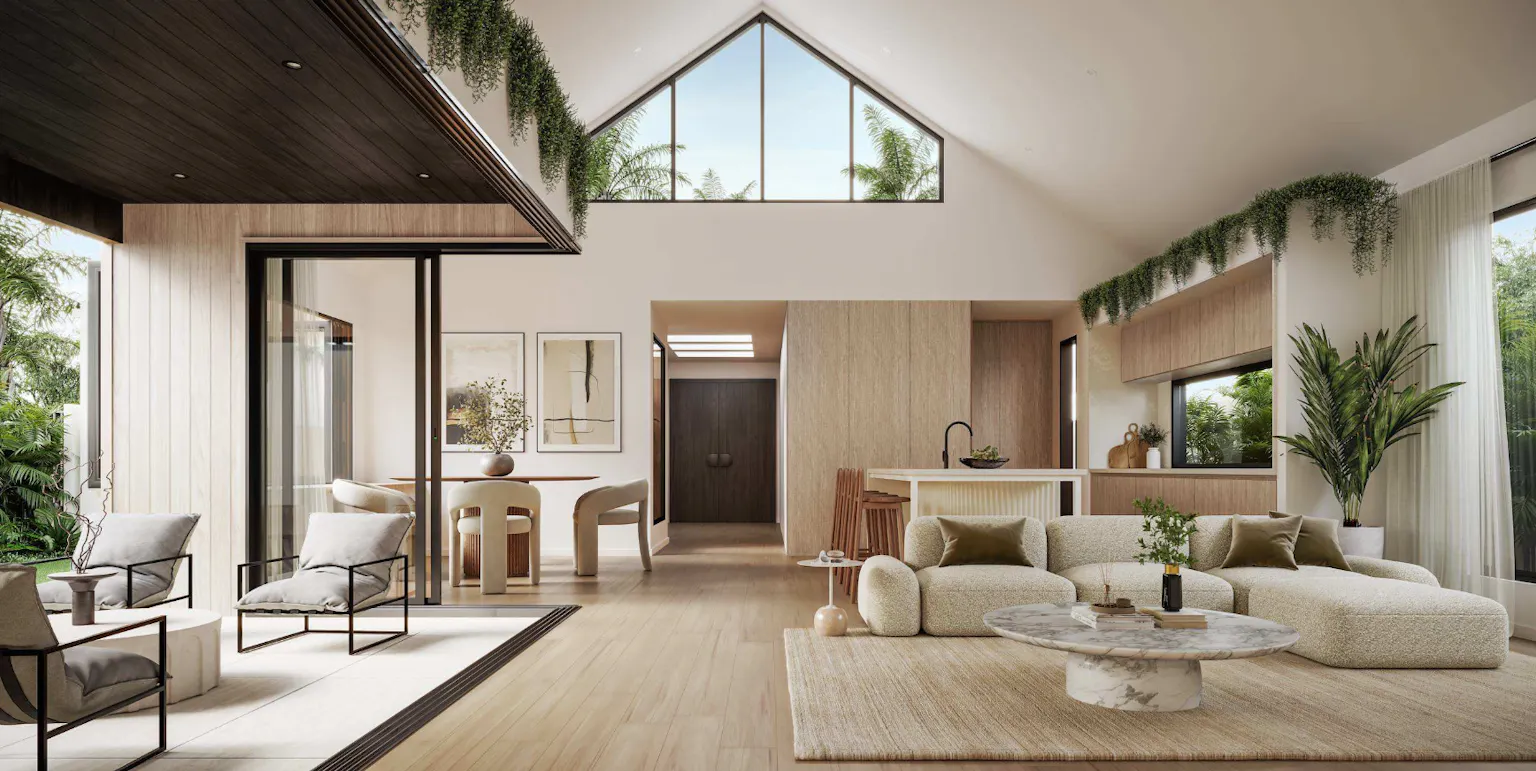
By 2035, Australians may not necessarily want bigger homes. If anything, the conversations in Byron Bay suggested the opposite. The future isn't about squeezing more into a floorplan either. It's about homes working harder, feeling better and reflecting the people who live in them a little more closely. It’s also about flexible spaces that can adapt as life changes, supporting the many different ways Australians live, work, rest and gather at home.
The era of the one-size-fits-all floorplan is fading
For a long time, Australian homes followed a fairly predictable formula. A living room. A dining room. A handful of bedrooms. Everyone more or less knew what each space was for.
These days, things are a little less straightforward.
A spare bedroom might be a home office during the week and a guest room on weekends. A second living area could double as a playroom, teenage retreat or somewhere to hide from the family group chat for half an hour with a coffee and a bit of peace and quiet.
One of the strongest themes to emerge from the summit was that homes are being asked to wear more hats than ever before. Not because Australians suddenly want more rooms, but because life itself has become more fluid. Careers change. Families grow. Children move out. Hobbies appear out of nowhere and somehow end up requiring an entire room.
The challenge for designers isn't predicting exactly how someone will live in ten years' time. It's creating homes that can roll with the punches when life inevitably changes course.
Because if there's one thing we can predict about the future, it's that most of us will be terrible at predicting it.
Good design starts with asking better questions
One of the most thought-provoking presentations came from sustainability leader and architect Stephen Choi.
Rather than focusing on what homes look like, Stephen encouraged attendees to think about why they exist in the first place.
It's a deceptively simple shift.
In an industry that often spends a lot of time discussing floorplans, facades and finishes, Stephen's perspective was a reminder that great design starts by understanding people. How they spend their time, what matters to them and what role their home plays in everyday life.
It sounds obvious, but it's a very different starting point to simply deciding where the kitchen goes.
Throughout the summit, there was a growing sense that the homes people connect with most deeply are rarely defined by a particular feature or trend. They're the homes that support the way people actually want to live.
The most successful homes aren't always the biggest, smartest or packed with the longest list of inclusions. More often, they're the homes that quietly make everyday life easier.
By 2035, that human-centred approach is likely to matter more than ever.
Homes are becoming less showroom, more soul
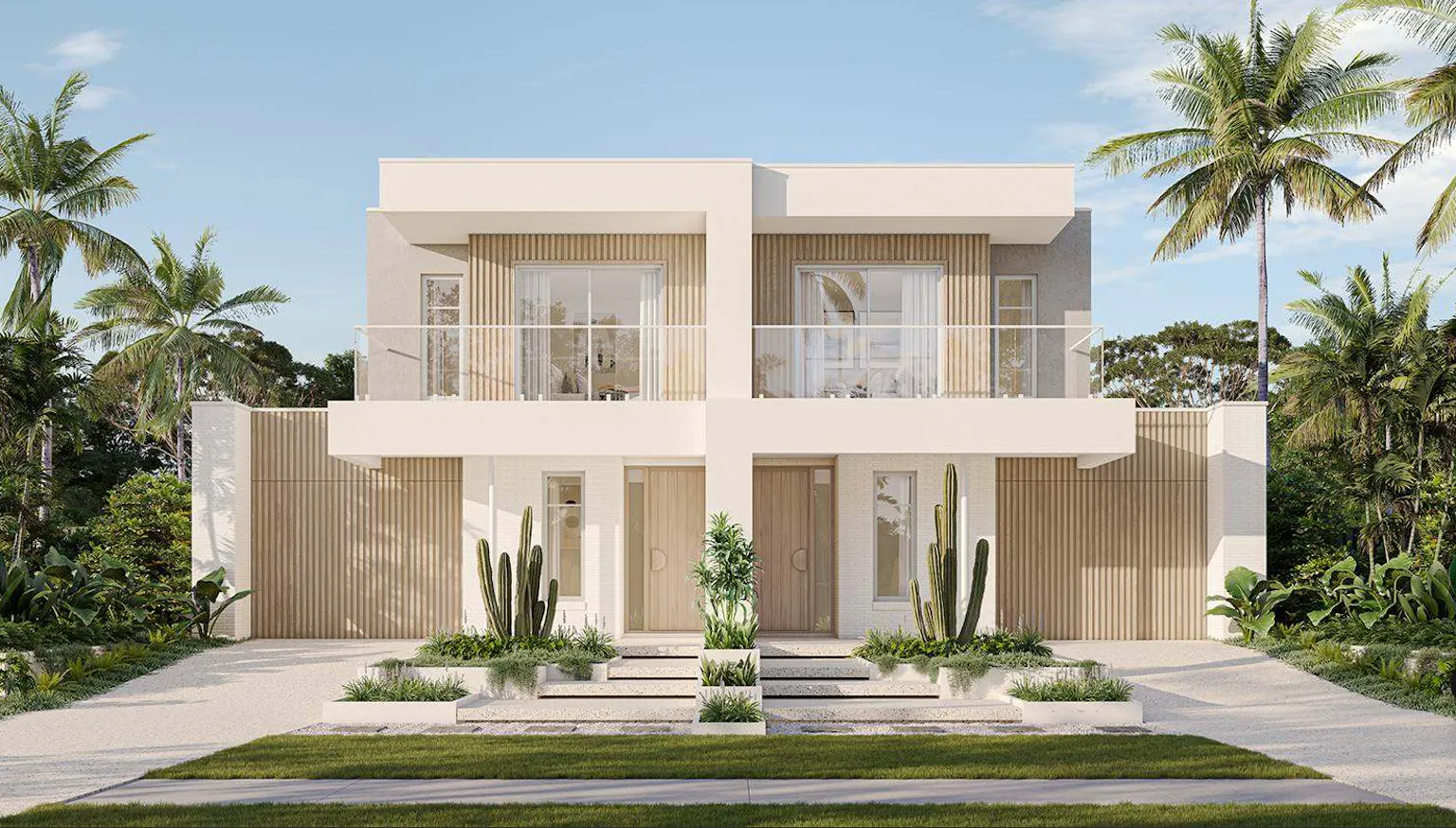
Fresh from Milan Design Week, interior designer James Treble shared insights into the global trends influencing residential design, and one idea stood out: people are craving warmth and authenticity.
After years of ultra-minimal spaces and homes that looked immaculate enough to make you nervous about putting a coffee cup down, there appears to be a growing appetite for interiors with a bit more personality.
Spaces that feel collected over time rather than ordered all at once. Homes that tell you something about the people living there rather than simply proving they have excellent taste.
That idea surfaced elsewhere throughout the summit too. Home Beautiful Editor in Chief (and host of our Love of Design Summit) Elle Lovelock spoke about the emotional side of design and the importance of creating spaces that resonate on a deeper level. It's a subtle distinction, but an important one. Great design isn't just about aesthetics. It's about creating an emotional response.
People rarely fall in love with a home because of a specification sheet, but they do remember how a space made them feel.
In many ways, it signals a broader shift in what people value from their homes. After years of chasing perfection, there is a growing desire for authenticity. Homes that feel warm, personal and a little less concerned with looking like everyone else's Pinterest feed.
Wellness is becoming part of the brief
For all the discussion around design, sustainability and future trends, conversations at Metricon's Love of Design Summit repeatedly returned to the qualities that are hardest to measure but often matter most: natural light, fresh air, comfortable temperatures, a stronger connection to the outdoors and that lovely, slightly elusive feeling of calm at the end of a long day.
Architect Michael Leung spoke about the amount of time Australians spend indoors and the role our homes play in shaping everyday wellbeing. It’s a simple observation, but an important one. If we're spending the majority of our lives inside our homes, then the quality of those environments really does matter a lot.
The interesting thing is that many of the features most closely linked to wellbeing aren't particularly flashy. You don't typically enter a home and think, “fantastic cross-ventilation.” And nobody is posting their moisture management strategy on Instagram.
But everyone notices when a home feels bright, comfortable and easy to live in.
As conversations around health and wellbeing continue to evolve, there's growing recognition that good design can contribute to more than aesthetics. It can play a role in supporting good health, too. Access to daylight, connection to nature, indoor air quality, thermal comfort and thoughtful material choices all influence how we experience a space, whether we're consciously aware of it or not.
The homes of 2035 may not look radically different from today's homes. But Australians are likely to place greater value on homes that actively support wellbeing - spaces that feel healthier, calmer and more enjoyable to spend time in.
Because when a home makes you feel good, you tend to notice. Even if you can't quite put your finger on why.
So what does all of this mean?
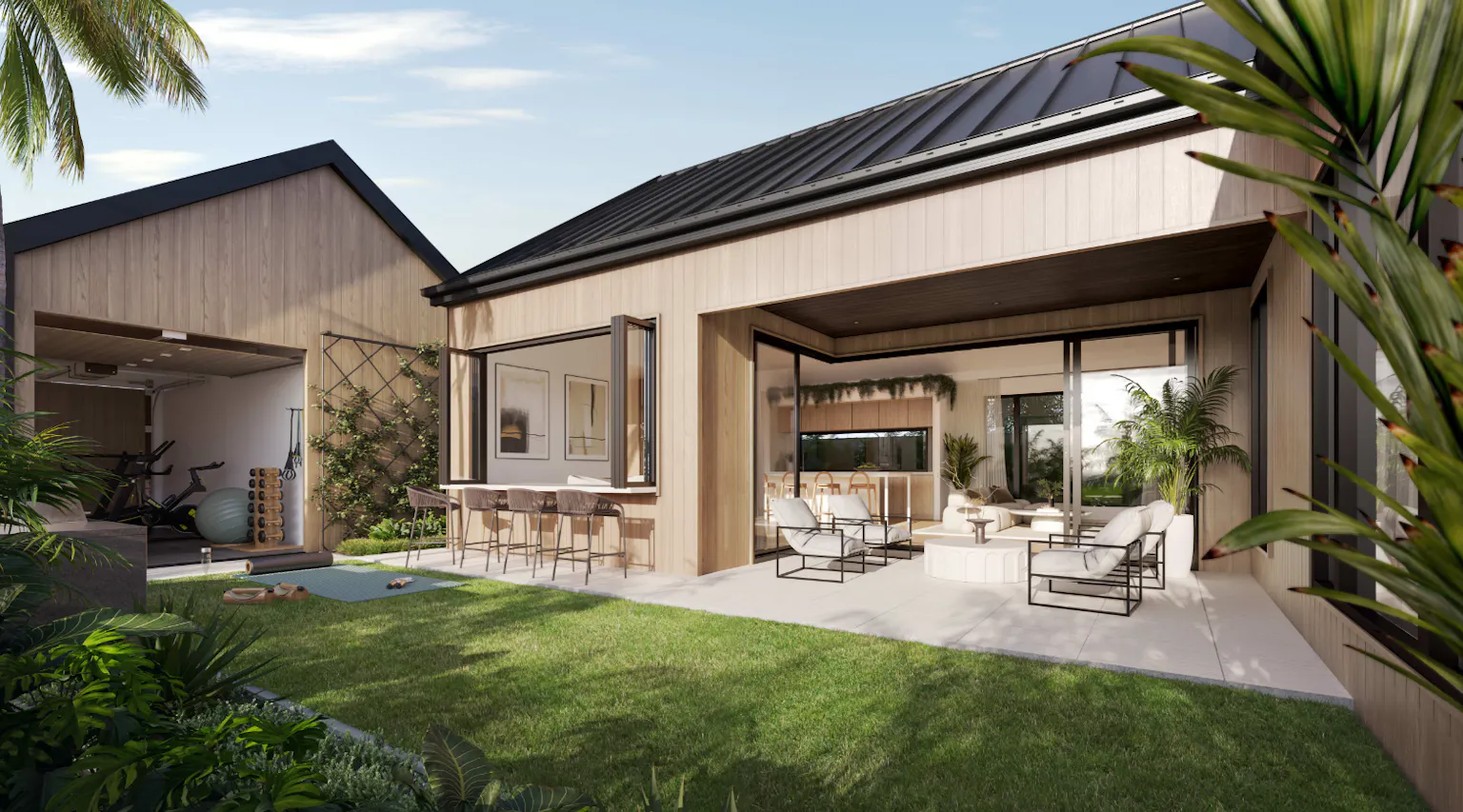
People want homes that make everyday life easier. Homes that adapt when life changes. Homes that reflect who they are. Homes that feel good to come back to at the end of the day.
The homes Australians gravitate towards in 2035 are likely to be flexible, personal and deeply connected to the rhythms of everyday life. They'll support work, rest, family, hobbies and everything in between. They'll feel comfortable, perform well and perhaps most importantly, feel like home.


